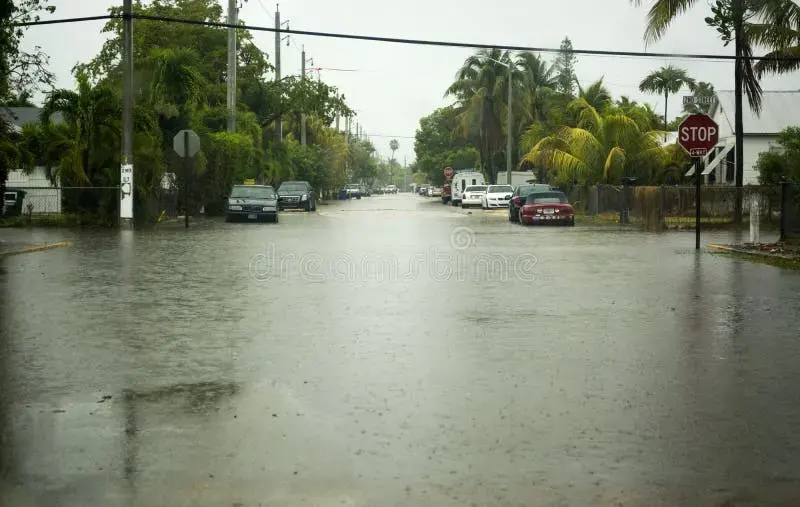
A creek flood in many places is over by the next morning. A river flood on the Withlacoochee is different, because the water keeps rising and then drains slowly. For a house that takes in that water, the clock does not stop when the rain does.
Key takeaways
- The Withlacoochee River can keep rising for weeks after the rain stops, so flood water around a property may sit for days or longer.
- After Hurricane Milton in October 2024, the river gauge at Dade City rose 5.5 feet in 3 days, and flooding in east Pasco County lingered.
- River water that enters a house is treated as contaminated, so porous materials are removed rather than dried in place.
- The longer the water stays, the more it wicks into drywall, cabinets and subfloors, so extraction and moisture readings matter.
- Photos and notes taken before cleanup begins help with any insurance claim.
Why Withlacoochee flood water does not drain quickly
The Withlacoochee River has a gauge at Dade City, on the west side of the Green Swamp. The Green Swamp is a large, low, wet area that feeds the river, so a lot of rain upstream ends up moving through the same channel.
Water district engineers explained after Milton that the river keeps rising for weeks after rain stops. They said some reaches of the river would not crest for about 4 weeks.
For a homeowner in east Pasco County, that means water that reaches a yard or a driveway may stay there far longer than rain runoff normally would.
What the 2024 storms showed
The 2024 hurricane season gave east Pasco County a clear picture of how this works.
Hurricane Milton and the river gauge
Hurricane Milton made landfall near Siesta Key on October 9, 2024, and it brought major flooding to the eastern part of Pasco County that lingered for days. By October 13, 2024, the Withlacoochee River at the Dade City gauge had risen 5.5 feet in 3 days.
Green Swamp flooding
In October 2024, the Southwest Florida Water Management District said Green Swamp flooding was the highest since about 1960. That flooding passed the peaks of Hurricane Irma in 2017 and the 2004 hurricanes.
Three storms in one season
Hurricanes Debby, Helene and Milton together caused repeated flooding across Pasco County in 2024. Ground that is already saturated takes the next storm badly, which is one reason standing water lasted so long.
How river water differs from a plumbing leak
A broken supply pipe puts clean water into a house. River flood water is a different problem.
It carries soil, vegetation and whatever else it passed on the way, so it is treated as Category 3 water.
That changes the work. Materials that soak up water, such as carpet, pad, insulation and drywall that stayed wet, are usually removed instead of being dried and kept.
The cleanup also includes cleaning and antimicrobial treatment before drying starts. The flood water cleanup page for Dade City lays out how that sequence runs.
- Carpet, pad and wet insulation are removed.
- Drywall is cut above the wet edge so it can be checked and dried properly.
- Hard surfaces and framing are cleaned and treated.
- Anything that was exposed to flood water is sorted into what can be saved and what cannot.
What happens when water sits in a house for days
Time works against a house after river water gets in. Drywall wicks water upward, baseboards swell, cabinets soak from the bottom and wood floors cup or lift.
Humid Florida air slows drying, so a house can stay wet well after the outside water goes down. A slab and block home may feel dry on the surface while the material underneath is still holding water.
- Drywall can wick water well above the height the flood water reached.
- Cabinet bottoms and toe kicks soak up water and begin to break down.
- Subfloors and wood flooring swell, and glued down flooring can loosen.
- Odors and surface growth become more likely the longer materials stay wet.

First steps for a Dade City area homeowner
Safety comes first. Water that has been in a house can hide electrical hazards, slick floors and sharp debris.
- Stay out of rooms with standing water until the power to them is off and it is safe to enter.
- Take photos and video of the water level and damage before anything is moved.
- Move valuables, papers and small furniture to higher ground.
- Do not run a regular vacuum or household fans through contaminated water.
- Call a restoration crew for extraction before the water has spent days soaking into walls and floors. The water extraction page for Dade City explains what that involves.
Extraction, flood cuts and drying
Once it is safe, the crew starts by removing the standing water with pumps and truck mounted extraction. Next comes removal of wet flooring and the lower part of the walls, which is often called a flood cut.
After that, drying equipment goes in. Air movers and dehumidifiers run while the crew takes moisture readings, and the readings continue until the framing, slab and remaining materials reach their dry goal.
The Dade City service area page lists the other water losses this crew handles, and the flood water cleanup page shows the same process in more detail.
- Standing water is pumped and extracted first.
- Wet flooring, pad and the lower part of walls are removed.
- Surfaces are cleaned and treated.
- Air movers and dehumidifiers run until readings reach the dry goal.
Getting ready and keeping records
Because the river rises slowly and falls slowly, there is usually time to prepare before water reaches a property, and time to be patient afterward.
A few habits make the cleanup easier when the next storm season arrives. None of them are expensive, and all of them help when it is time to work with a restoration crew or an insurer.
Many homeowner policies treat rising flood water differently from water that comes from a broken pipe. A separate flood policy may apply, so it helps to read the policy wording or ask the insurer before filing.
- Photograph each room while it is dry, so there is a before picture of floors, walls and cabinets.
- Keep important papers, medications and chargers in a bag that can be moved quickly.
- Know where the main electrical panel and the water shutoff are, and who in the household can reach them.
- Watch the river gauge and the Southwest Florida Water Management District updates during hurricane season, since the crest can arrive well after the rain.
- Lift furniture and appliances onto blocks if water is expected to reach the floor.
- After the loss, keep dated photos, a list of damaged items and the moisture logs from the drying crew.
Questions
Why does flood water stay so long near the Withlacoochee?
The river drains a large wet area and keeps rising for weeks after rain stops. Water district engineers said some reaches would not crest for about 4 weeks after Milton.
Is river flood water the same as a pipe leak?
No. River water is treated as Category 3 because it carries soil and contaminants. Porous materials are removed and surfaces are cleaned before drying begins.
How soon should extraction start?
As soon as it is safe to enter. Water that sits for days wicks into drywall, cabinets and subfloors, so starting early limits how much material has to be removed.
Can drywall that was in flood water be dried and kept?
Usually not. Drywall that soaked up river water is typically cut out above the wet edge and replaced, since drying does not remove the contamination.
Does homeowners insurance cover river flooding?
It depends on the policy. Many treat rising flood water separately from plumbing leaks, so check the policy wording or ask the insurer.