Water Damage Restoration Lakeland, FL
Round-the-clock water damage restoration for Lakeland homes and businesses, from lake-edge flooding to plumbing leaks, with extraction, drying and readings that follow each job through to the finish.
(888) 621-2041Talk to a Lakeland crew about the leakServing ZIP 33801, 33803 and 33805 plus Dixieland, Lake Hollingsworth and Downtown Lakeland.
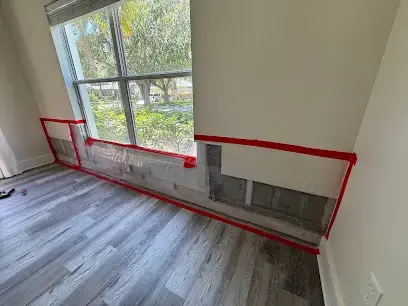
What to do before the drying crew starts
- 01
Stop the source
Shut the main valve or the supply to the leaking fixture, then turn off power to wet areas only if it is safe.
- 02
Move what you can
Lift small furniture, rugs and electronics onto dry surfaces so wet carpet and flooring do not stain or swell them.
- 03
Photograph everything
Photograph the water, the affected rooms and damaged items before anything is moved, since adjusters rely on that record.
- 04
Keep floodwater out
Do not wade through water that came from a lake, street or drain, because it may carry contamination.
- 05
Call about drying
Once the source is stopped, call for extraction and moisture mapping so wet materials are dried before they warp or sour.
Water Damage Restoration Services in Lakeland, FL
Storm flooding, roof openings and plumbing leaks lead the calls in Lakeland, where lakes sit close to many homes and Hurricane Milton showed how long water can linger.
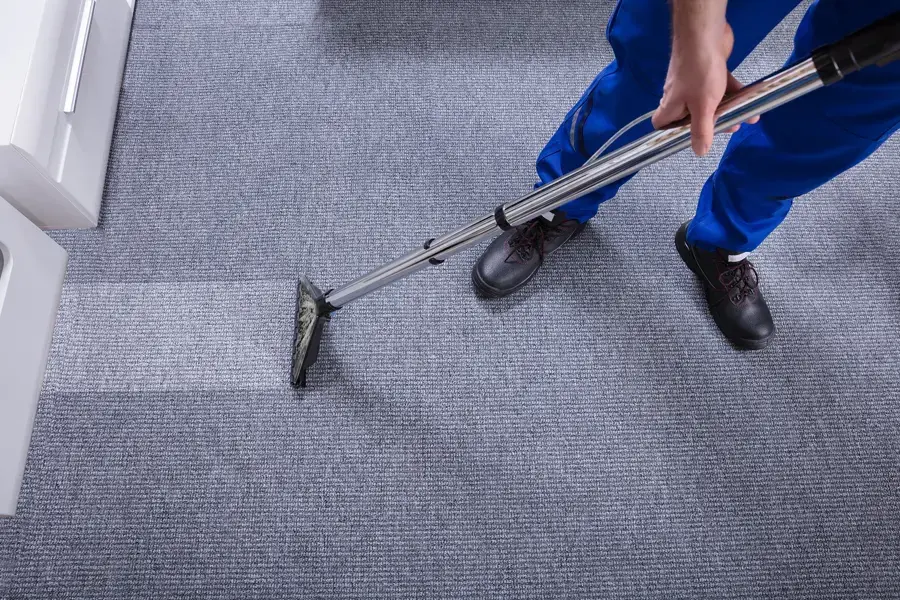
Water Extraction and Removal
Pumps and truck-mounted units pull standing water from floors and carpet before it reaches walls, cabinets and the subfloor.
Service details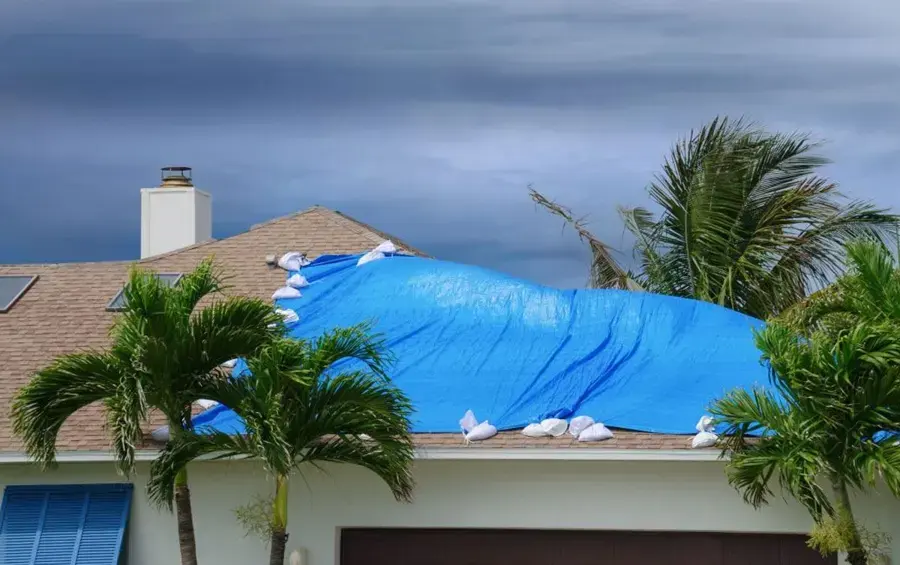
Hurricane and Storm Water Damage
Wind-driven rain, wet attics and ceiling openings after a named storm are dried and documented for the claim.
Service details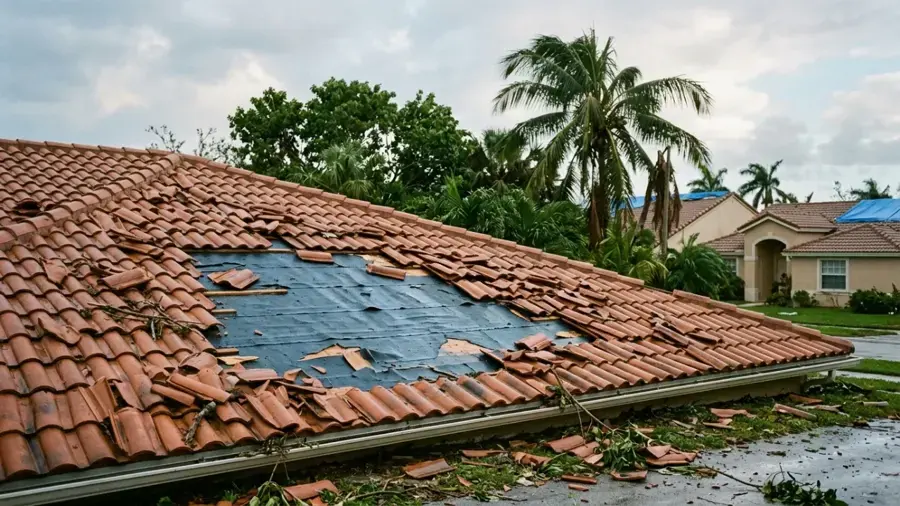
Roof Leak Water Damage
Water that enters through shingles or flashing is traced into the attic, insulation and ceiling below.
Service details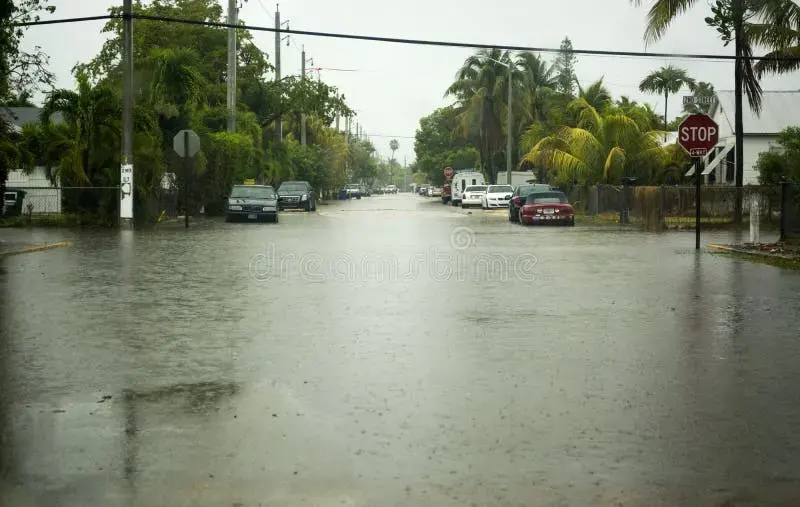
Flood Water Cleanup
Lake-edge and street flooding means removing wet flooring, cleaning surfaces and drying to the wet edge.
Service details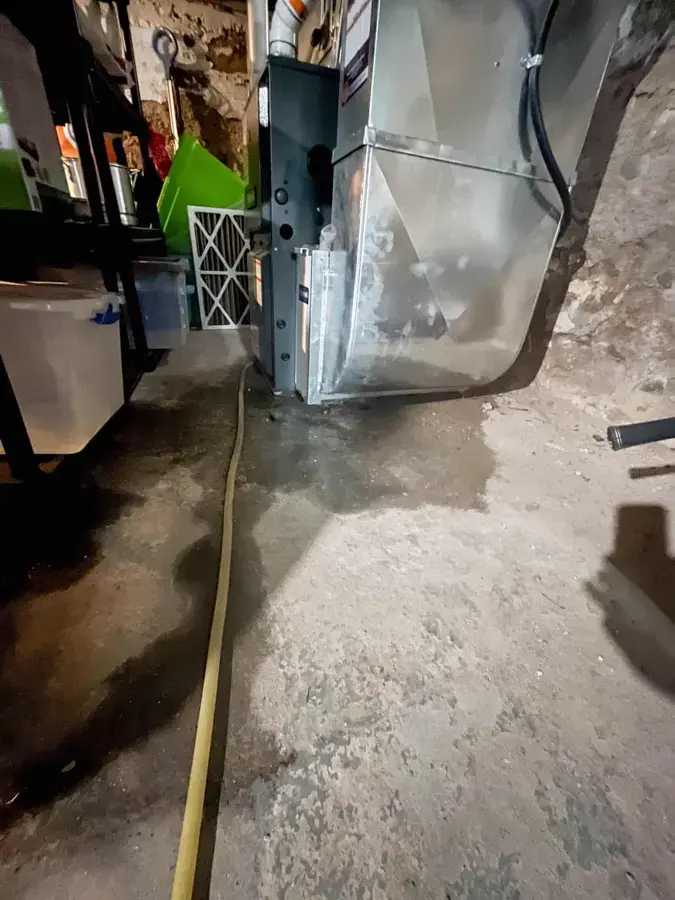
AC Leak Water Damage
A clogged condensate drain can soak a closet, hallway or ceiling long before the stain shows.
Service details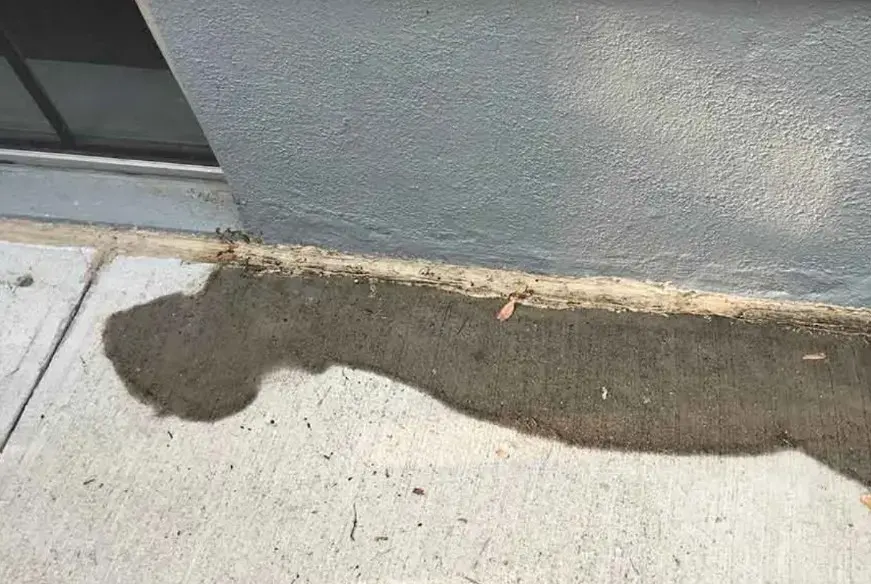
Slab Leak Water Damage
Hidden pipe leaks under concrete are found with moisture mapping, then the floor and slab are dried.
Service details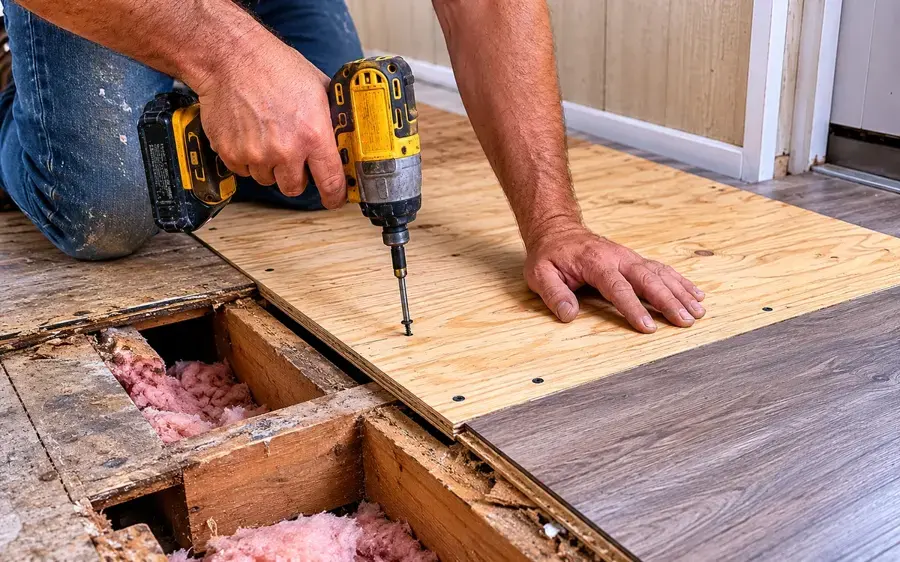
Mobile Home Water Damage
Manufactured homes get careful extraction, underbelly checks and subfloor drying that protects the floor structure.
Service details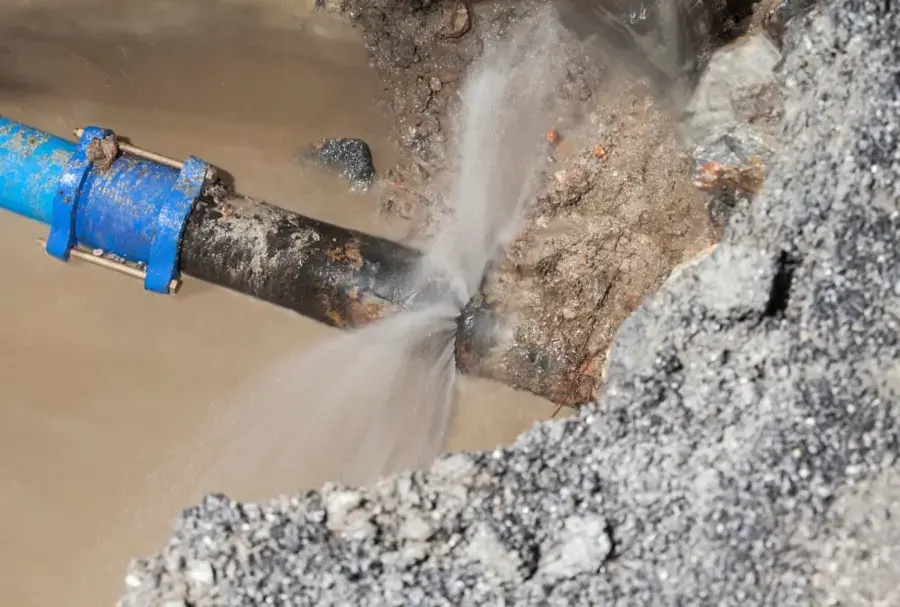
Burst Pipe Water Damage
A split pipe is dried wall by wall, with flood cuts and flooring lifted where water has traveled.
Service details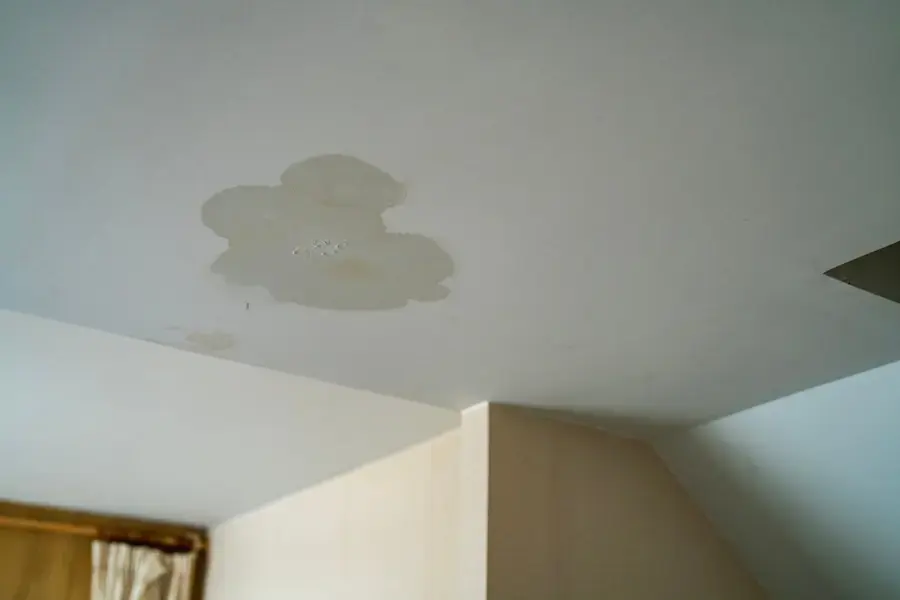
Ceiling Leak Water Damage
Stained, sagging or dripping ceilings are opened where needed so wet insulation and joist bays can dry.
Service details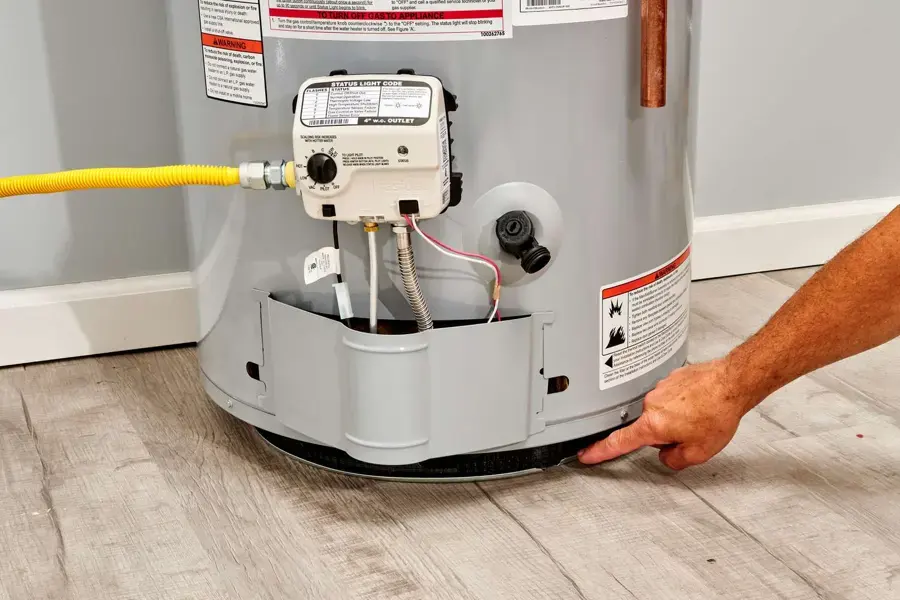
Water Heater Leak Cleanup
A failing tank or fitting is cleaned up, with the garage slab, closet and nearby rooms checked for moisture.
Service details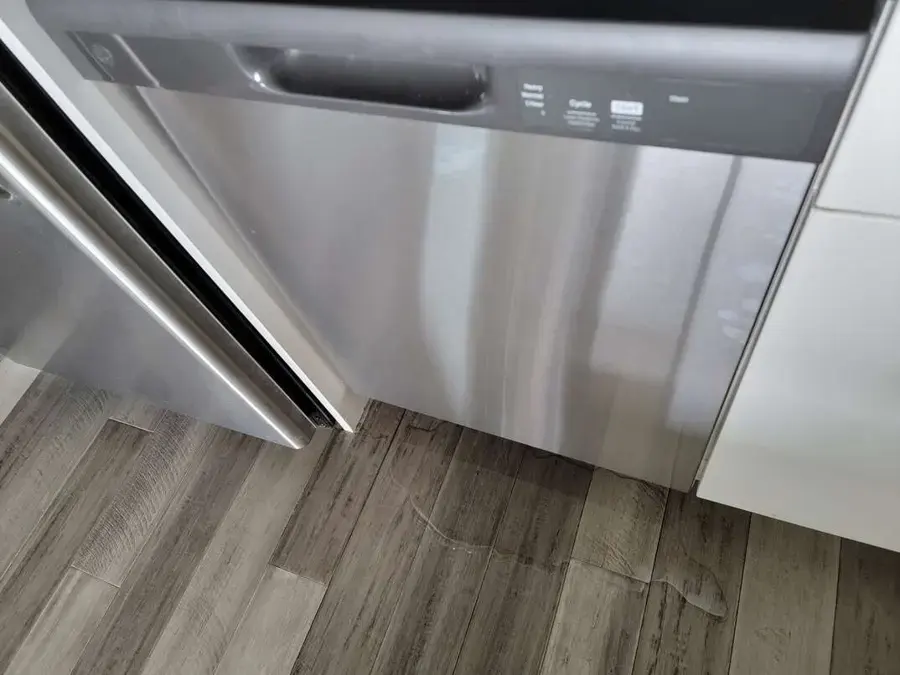
Appliance Leak Water Damage
Washer, dishwasher and refrigerator leaks are dried under flooring and cabinets, with tenants and landlords both in mind.
Service details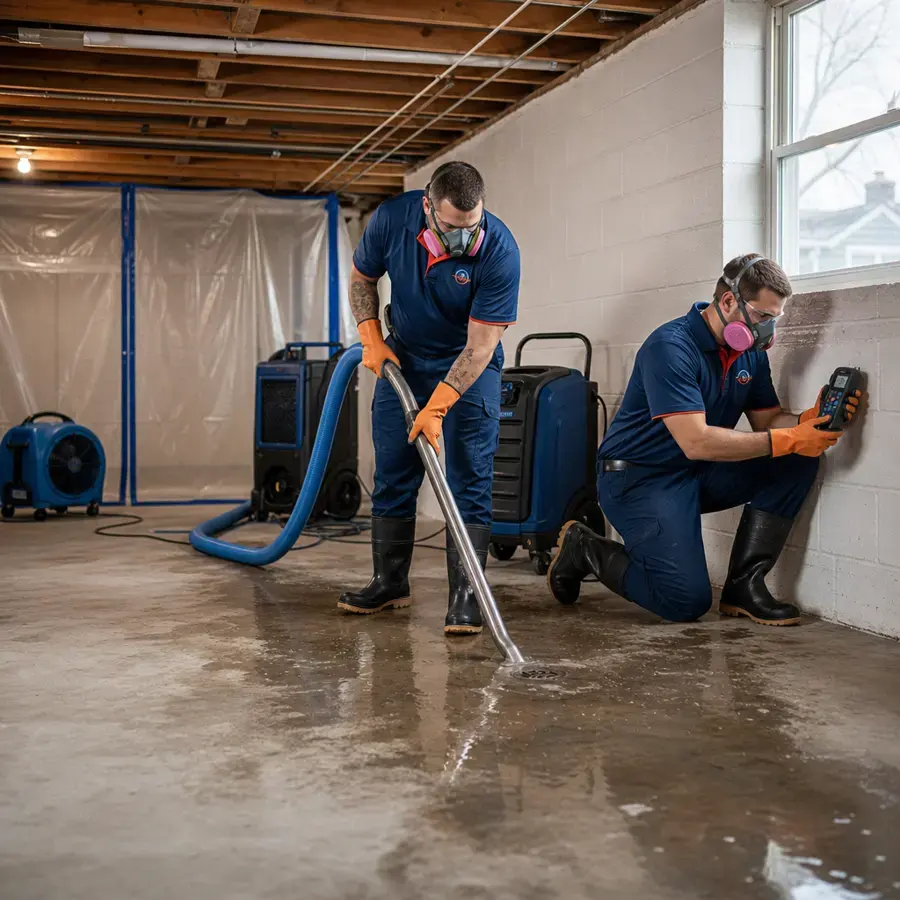
Sewage and Septic Backup Cleanup
Contaminated water from a backed-up drain is contained, removed and cleaned with protective gear and antimicrobial.
Service details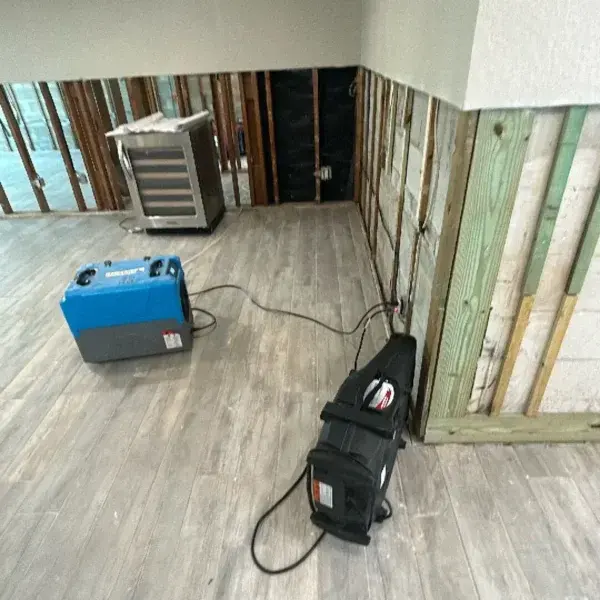
Structural Drying and Dehumidification
Air movers and dehumidifiers dry framing, walls and concrete until daily readings reach the drying goal.
Service details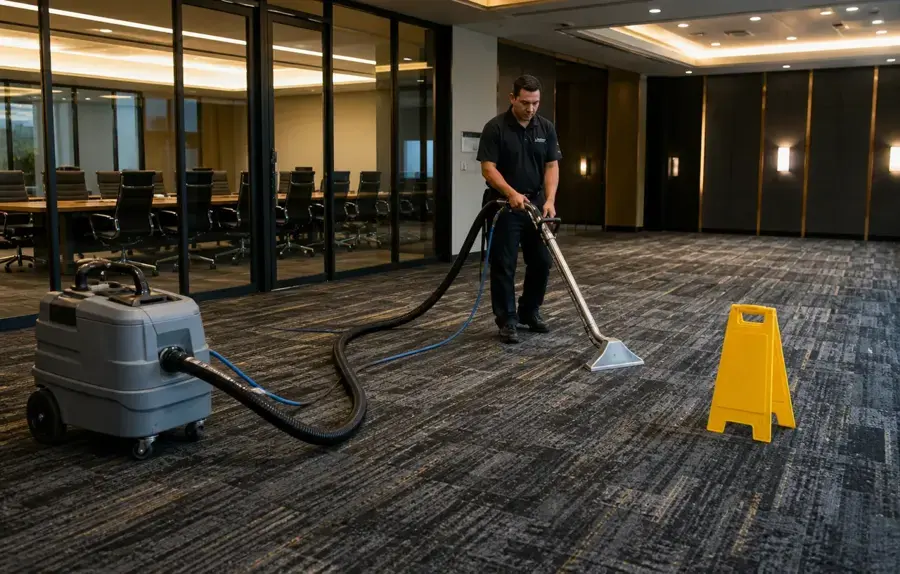
Commercial Water Damage
Shops, offices and larger buildings get phased drying plans that keep staff and tenants working where possible.
Service detailsWhat kind of water is in the Lakeland house?
Clean water
Supply pipe and fixture leaks start clean but turn gray fast on carpet, so early drying protects more materials.
Slab leak dryingGray water
Washer, dishwasher and AC drain overflows carry some contaminants, so soaked pad and cabinet bottoms often come out.
See AC leak workBlack water
Sewage and lake or street floodwater carry harmful bacteria and need containment, protective gear and full removal.
Sewage backup cleanupDried to a measured goal, not a guess
Crews follow the S500 drying standard in Lakeland homes and businesses, mapping moisture first, removing standing water, then running closed-house drying with readings recorded each day until wet materials match a dry reference.
- 1
Map the wet area
Moisture meters and thermal imaging trace where water went, including wall cavities and floor layers hidden from view behind finished surfaces.
- 2
Remove standing water
Portable pumps and truck-mounted extractors clear the surface water so drying equipment is not fighting puddles.
- 3
Place the equipment
Air movers and low grain refrigerant dehumidifiers go where the map points, sized to the rooms and the materials.
- 4
Check until dry
Technicians return to log temperature, humidity and moisture readings, adjusting equipment until every material reaches its dry goal for that home.
Water damage work shaped by lakes, storms and slabs
Lakeland has 38 named lakes, plus historic districts and newer subdivisions sharing the same drainage. After heavy rain, water creeps through slabs, wall bases and low yards, so crews check well past the first wet spot to find where it stopped. Housing runs from historic downtown landmarks to modern builds, and each dries differently.
Round-the-clock response
Water loss does not wait for business hours, so crews work nights and weekends, starting at the source.
S500 drying practice
Methods follow the S500 standard, with equipment chosen by water category and material.
Claim-ready records
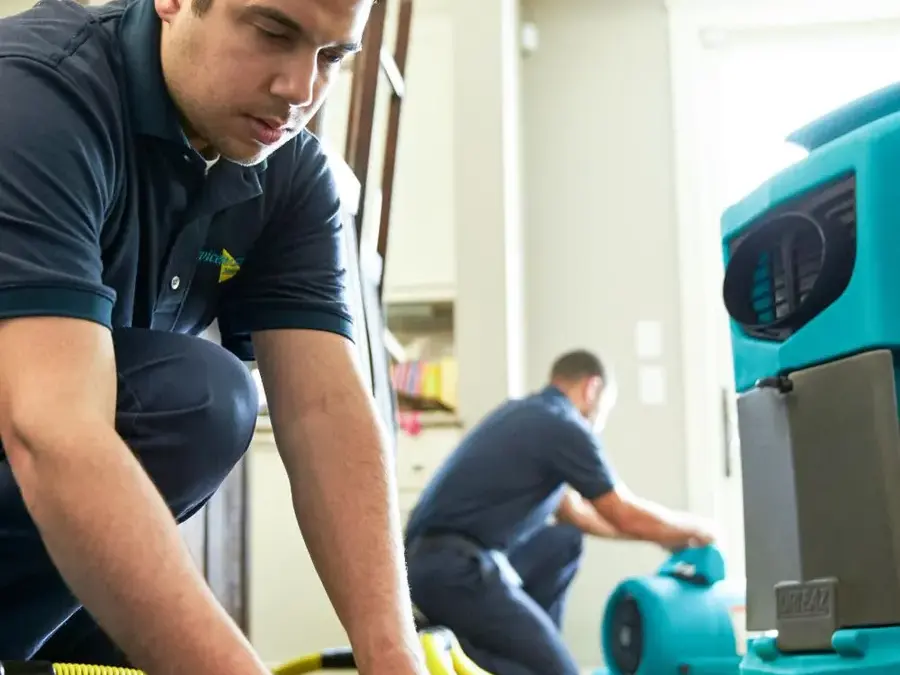
Photos, moisture logs and equipment notes are kept for each visit so an adjuster can follow what happened.
Lake country know-how
Crews understand lake-filled terrain, drainage strained after storms and homes that stay damp long after the rain.
What does water damage restoration cost in Lakeland, FL?
Most Lakeland jobs land between about $1,000 and $30,000, depending on the water category, the rooms involved and how long materials stayed wet. A site visit with moisture readings and a written scope gives the real figure for that home.
Small clean-water leak caught early
$1,000 to $4,000- Water extraction and drying
- Baseboards pulled and checked
- Daily moisture readings
Several rooms with wet flooring
$4,000 to $12,000- Flood cuts where needed
- LGR dehumidifiers
- Claim file documentation
Contaminated or storm flooding
$10,000 to $30,000- Wet materials removed
- Containment and cleaning
- EPA-registered antimicrobial
Typical figures, not a quote, for Lakeland homes. Try the water damage cost calculator and the drying time estimator for a rough number before anyone visits.
What the claim file holds
Lakeland claim files need proof of cause, scope and progress, and the crew builds that record while the drying is under way.
- Dated photos of every wet room taken before anything is removed
- The source of the water and the time it was stopped
- Daily moisture, temperature and humidity readings for each room
- Equipment placed and removed, each with a date and room
- An itemized list of every material cut out or discarded
If you file it yourself
Homeowners can send the photos, readings and scope straight to their carrier, and the crew supplies them in a form adjusters recognize. Written estimates list each room, material and piece of equipment.
Coverage for floods, lake overflow and sewer backups varies by policy, so check your own insurer before assuming what is or is not covered.
What water damage work looks like in Lakeland homes
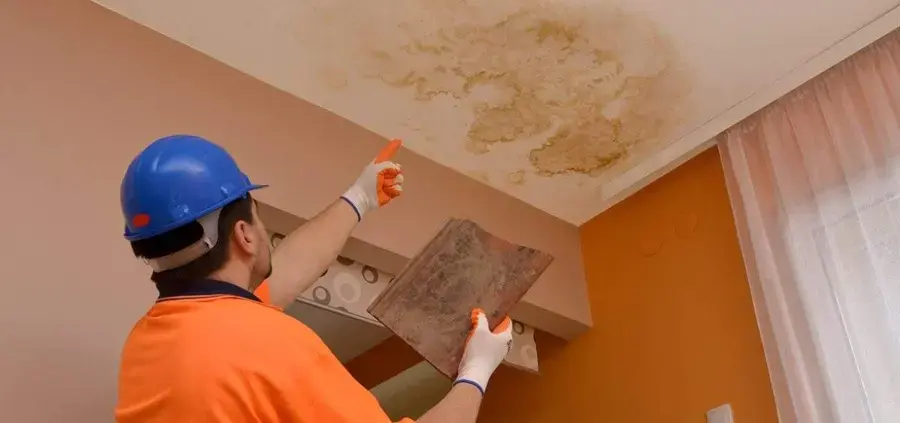
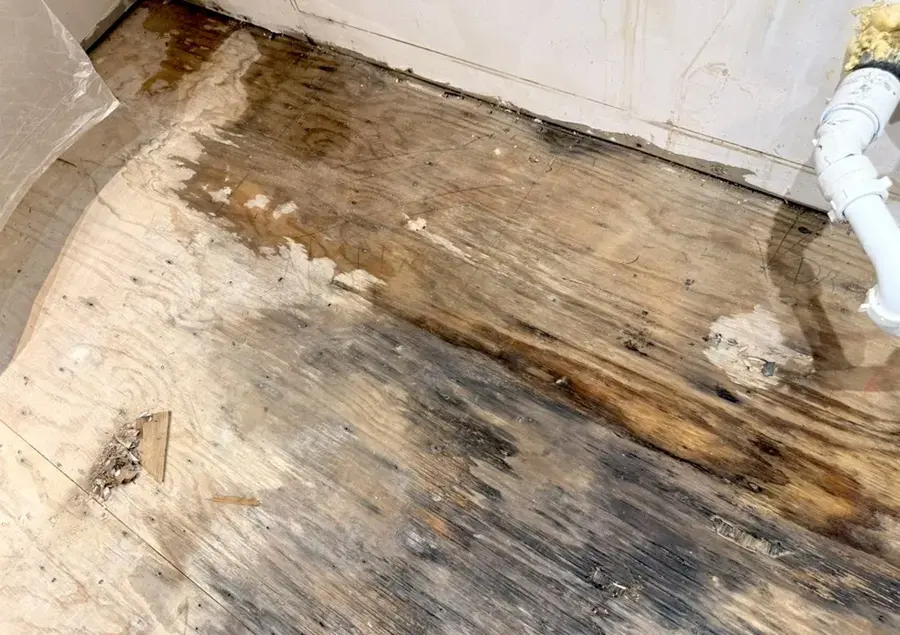
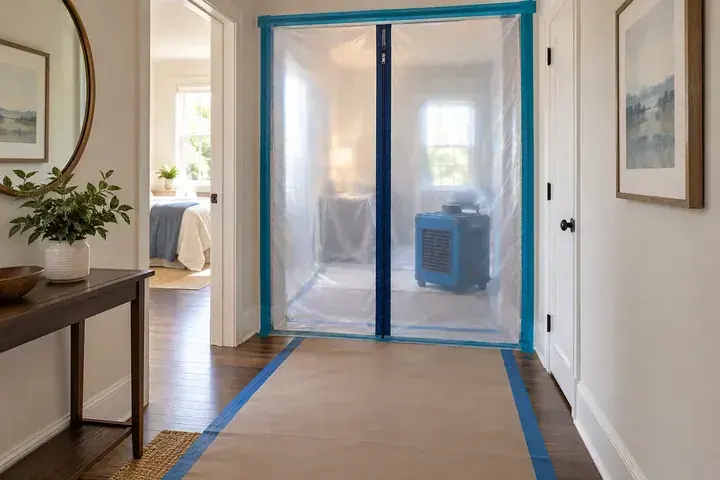
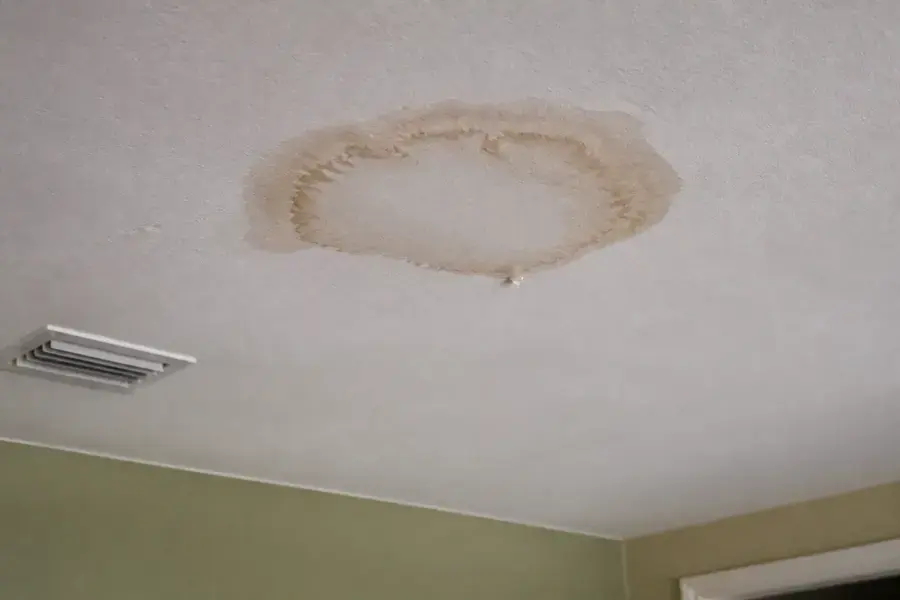
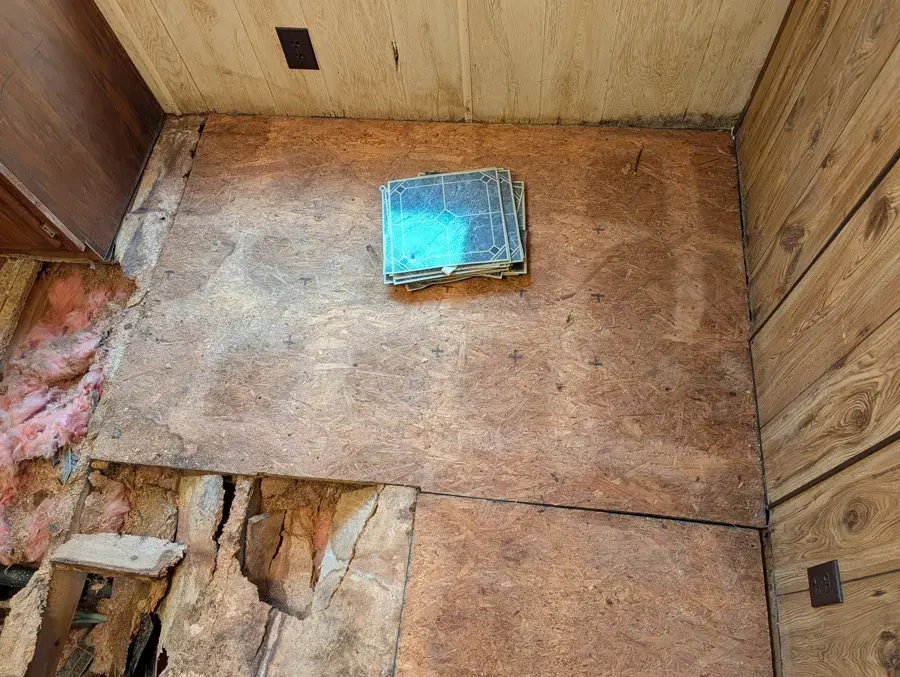
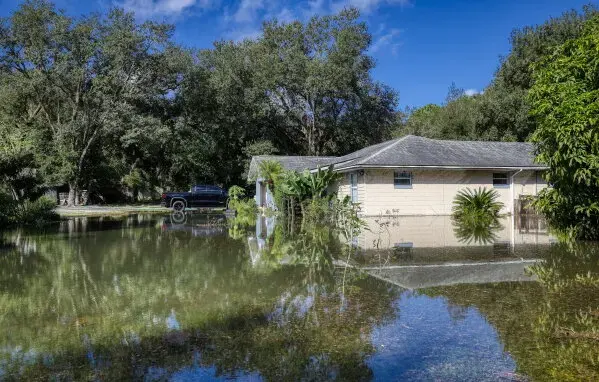
Water damage restoration across Lakeland, FL
Neighborhoods and landmarks
ZIP codes
Nearby areas
One call reaches Lakeland water damage crews, 24/7
Crews work across all of Lakeland, from Dixieland and Cleveland Heights to Lakeland Highlands and the neighborhoods around Lake Hollingsworth.
Houses near lakes, downtown buildings, shops and offices along the I-4 corridor all get the same moisture mapping and written drying plan.
Why lake country homes stay wet after heavy storms
Lakeland is the largest city on I-4 between Tampa and Orlando, built around Lake Parker, Lake Hollingsworth, Lake Morton and many more, and some ponds are filled phosphate mine pits. Drainage strains when rain arrives all at once.

Hurricane Milton dropped over 12 inches of rain on Lakeland in 24 hours, flooding every area lake, and homes on Lake Bonny and Little Lake Bonny stayed flooded for weeks afterward.
- Lake overflow: Rising lakes push water into low yards and slabs, and pumping limits can keep it there for weeks.
- Storm rainfall: Intense tropical rain overwhelms stormwater and natural drainage at the same moment, which is how Milton strained the whole system.
- Slab movement: Weeks of standing water left a cracked slab at Little Lake Bonny, and a 2023 sinkhole near Scott Lake Road shows the ground can shift.
- Water main breaks: A significant break at South Florida Avenue and Ariana Street in 2025 reminded the city that buried supply pipes fail without warning.
- Flood coverage gaps: Some Lake Bonny residents carried no flood insurance because they were told they were outside a flood zone, a gap worth checking early.
Lakeland water damage questions
How fast does water damage spread in Lakeland homes?
Water wicks into drywall, baseboards and subfloors almost immediately, and humid Florida air slows drying, so extraction and equipment should start as soon as the source is stopped.
What does Hurricane Milton teach about flood cleanup?
Milton showed that lake-fed water can stay for weeks, so drying cannot wait for the lakes to fall. Wet flooring and lower drywall should be removed and dried promptly. Photos and moisture logs support the claim.
Can a cracked slab come from standing water?
After weeks of standing water around Little Lake Bonny, one neighbor was told a cracked slab needed a major repair. A structural inspection settles the real cause; drying crews only address the moisture.
Do floodwater and lake overflow count as black water?
Water from lakes, streets and storm drains is generally treated as contaminated, so porous materials like carpet and pad are usually removed rather than cleaned, while hard surfaces are cleaned and sanitized.
What happens when a sewage backup reaches the floor?
Lakeland Water Utilities manages wastewater, but a backup inside a house is cleaned as contaminated water, so the area is contained, wet materials come out and surfaces are disinfected.
How long does drying take after the water is gone?
Drying length depends on the materials and the class of the loss, and daily readings decide when equipment leaves, not a calendar. Concrete and hardwood usually take longest. Closed house drying with dehumidifiers is measured in days.
Does renting change how a water leak is handled?
With 45 percent of households renting, appliance and ceiling leaks often involve a tenant and a landlord, so dated photos and readings help both sides settle who pays.
Can business buildings stay open during drying?
Often yes. Drying is phased by area, with containment walls and air scrubbing where needed, so offices and shops can keep part of the building running with daily readings.
What should be done about wet insulation in an attic?
Saturated insulation holds moisture against the ceiling drywall and framing, so it is normally removed and the joist bays are dried before the ceiling is closed.
When should a water leak be treated as an emergency?
Treat it as urgent when water is moving, reaching electrical outlets, soaking carpet or coming from a sewer drain. Stop the source if it is safe, then call for extraction.
Water still spreading?
Stop the source if it is safe, then call so Lakeland crews can start extraction and mapping.
Get the Lakeland water out and the drying started
Whether the water came from a lake, a roof or a failed pipe, the first step is the same, stop the source and call for moisture mapping and extraction in Lakeland, with every reading logged.
(888) 621-2041Start the Lakeland drying plan- 24/7 dispatch, hurricane season and summer storms included
- Structural drying held to the IICRC S500 standard
- Daily moisture readings logged for the claim file
- Find us on Google