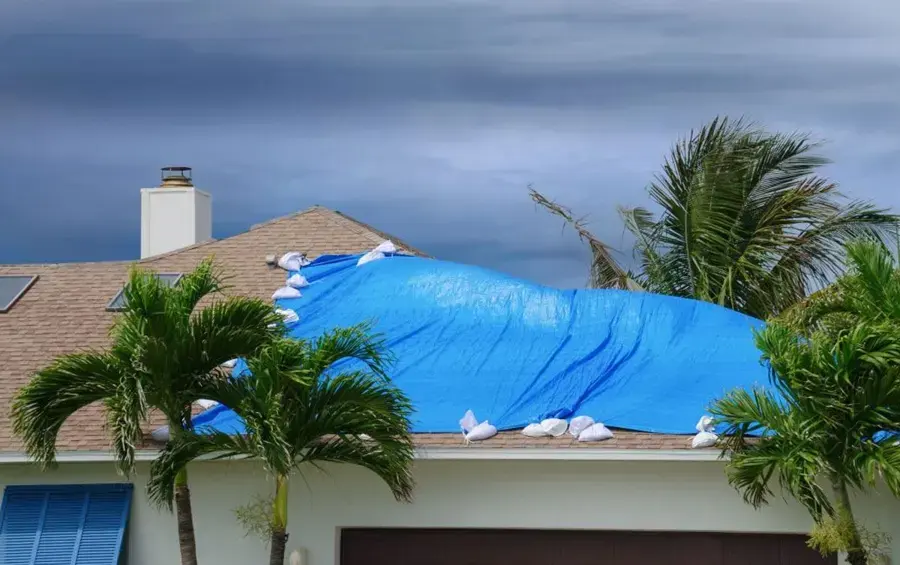
Hurricane Milton struck on the night of October 9, 2024, and Temple Terrace felt it in several ways at once. Flood control structures were activated ahead of the storm, power went out across the city, and a boil water notice followed. Those same pieces matter for a homeowner dealing with storm water inside the house.
Key takeaways
- The Tampa Bypass Canal System was activated on October 8, 2024, ahead of Milton, to divert Hillsborough River floodwater.
- The Hillsborough River is the primary flooding source in Temple Terrace, and storm drain systems are also susceptible to annual flood events.
- Storm damage here can mean wind driven rain from above and rising water from below at the same time.
- After Milton, widespread power outages meant dehumidifiers and air conditioners were off, which lets humidity build in wet materials.
- Removing standing water early, photographing damage and documenting moisture readings protects both the house and the claim.
What Milton did around Temple Terrace
Hurricane Milton struck on the night of October 9, 2024. The Tampa Bypass Canal System had been activated the day before, on October 8, ahead of the storm.
After Milton, Temple Terrace issued a boil water notice following widespread power outages. The city also closed City Hall, the Family Recreation Complex, the Omar K. Lightfoot Complex and the library for damage assessment.
Where flood water comes from in Temple Terrace
The Hillsborough River is the primary flooding source in Temple Terrace. It flows through the eastern and southern parts of the city and forms part of its southern boundary, and the closest river gauge is at Fowler Avenue.
Storm drain systems are also susceptible to annual flood events, according to the city. That means a street can fill with water even when the river is not the main cause.
The Tampa Bypass Canal
The Tampa Bypass Canal was built in the 1960s and 1970s to divert Hillsborough River floodwater and protect Tampa and Temple Terrace. It has five flood control structures and works with the Hillsborough Flood Detention Area, a 16,000 acre reservoir.
The system was used during Hurricane Debby in August 2024 and again for Milton in October 2024.
Past floods as context
The flood of September 4, 1933 is the largest flood of record in Temple Terrace, caused by intense rain from a tropical hurricane crossing central Florida. Floods in March 1960 from a stationary front were followed by September 1960 floods from Hurricane Donna and Tropical Storm Florence.
Wind driven rain and rising water at the same time
A hurricane rarely brings only one kind of water. Rain driven sideways can get under roof tiles, around windows and sliders, and into attics.
At the same time, water from a river or storm drain can reach the floor from outside.
The two sources need different handling. Water from the roof and walls is often clean when it first enters, though it turns problematic if it sits.
Water from outside, such as a river or street, is contaminated, and porous materials that soaked it up are usually removed. The hurricane and storm water damage page for Temple Terrace explains how the two are separated.
- Look for stains on ceilings and around windows, which point to wind driven rain.
- Check baseboards and the bottom of walls, which show rising water.
- Photograph each source separately so the claim can describe both.
- Keep wet materials until they are photographed, unless they pose a safety problem.
Power loss and the boil water notice
Widespread power outages made the aftermath harder. Without electricity, air conditioning stops and so do dehumidifiers and fans.
In Florida's humid subtropical climate, wet materials stay wet longer when there is no power to move air or pull moisture out.
A boil water notice is about drinking water safety, and the city's instructions should be followed. For a homeowner, it also shows how many systems can be disrupted at once, which is why documenting what is wet and when is worth the effort.
- Open windows only when humidity and weather allow, to move some air.
- Do not run electrical equipment in wet areas until it is checked.
- Write down when the power went out and when it came back.
- Follow the city's boil water instructions for drinking and food preparation.
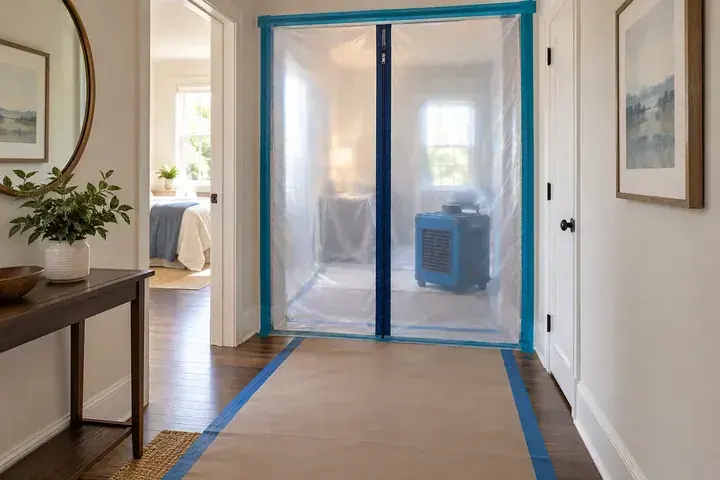
First steps once it is safe to enter
The first day is about safety and documentation, then extraction. Standing water that stays on a floor for days soaks into drywall, cabinets and subfloors.
Photos and video should come before anything is moved. After that, the water is pumped out and wet materials are sorted.
The water extraction page for Temple Terrace describes how that part of the job works.
- Turn off power to flooded rooms if it can be done safely.
- Photograph the water level, ceilings and damaged items.
- Move small valuables and papers to dry ground.
- Arrange extraction so water does not sit and wick upward.
Mistakes that make storm damage worse
Some well meant habits cause trouble after a hurricane. Most of them come from rushing, which is understandable when a house is wet and the neighborhood is without power.
Avoiding these keeps materials that could be saved and keeps the claim clean.
- Throwing away damaged items before they are photographed.
- Running a household vacuum or fans through standing water.
- Closing up a house tightly while materials are still wet.
- Waiting to see if wet drywall dries on its own.
- Assuming the roof is the only source when the floor is wet too.
Drying, rules and insurance after a storm
After extraction, air movers and dehumidifiers dry the structure while moisture readings track progress. The equipment stays until the readings reach the dry goal, and a log of those readings supports the insurance claim.
Insurance details matter after a flood. A new flood insurance policy has a standard 30 day wait before it takes effect, and bank required policies typically cover the structure only.
That makes it worth reading the policy before a storm, not after. The Temple Terrace service area page lists the other water losses covered in the city, and the storm damage page shows the same process in more detail.
- Moisture logs show the drying plan worked.
- Dated photos support the claim.
- A flood policy bought during a storm will not help, because of the 30 day wait.
- Check whether a policy covers contents as well as the structure.
Questions
When was the Tampa Bypass Canal System used for Milton?
It was activated on October 8, 2024, the day before Milton struck on the night of October 9. It was also used to divert Hillsborough River floodwater during Hurricane Debby in August 2024.
Why did Temple Terrace issue a boil water notice?
The city issued it after widespread power outages following Milton. A boil water notice is about drinking water safety, so residents should follow the city's instructions.
Is storm damage always flood damage?
No. Wind driven rain through a roof or window is one source, and rising river or storm drain water is another. They are treated differently and may be covered differently.
How soon does a new flood policy take effect?
A new flood insurance policy has a standard 30 day wait before it takes effect, so it needs to be in place well before a storm.
Does a power outage affect drying?
Yes. Without power, dehumidifiers and air conditioning stop, and wet materials stay wet longer in humid weather. Drying equipment resumes once power is restored or generators are used.