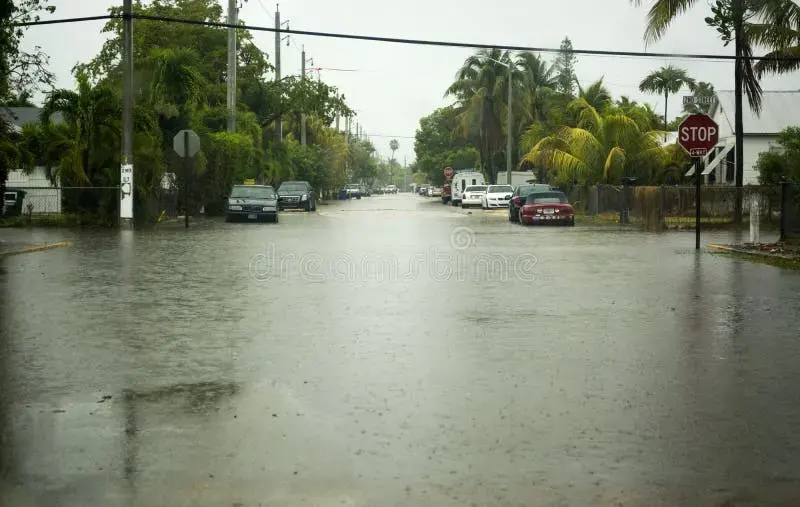
Most summer storms in Plant City come and go. The one on July 14, 2025 did neither. It stalled over the city for hours and dropped enough rain to put water on roads, in yards and inside homes. This post walks through what happened, why the ground behaves the way it does, and what the first day of cleanup looks like.
Key takeaways
- On July 14, 2025 a storm stalled over Plant City from 4:00 p.m. to 8:00 p.m., and the city weather station recorded 10.39 inches.
- Plant City sits in the Southern Flatwoods, where soil is sandy and poorly drained, so heavy rain can reach floors in a short time.
- Water that comes in from the street or a creek is treated as contaminated, so porous materials are removed rather than dried in place.
- The first day is about safety, photos and extraction, in that order.
- Wet slabs and block walls need monitored drying, not just fans.
What happened on July 14
A storm stalled over Plant City from 4:00 p.m. to 8:00 p.m. on July 14, 2025. The city weather station recorded 10.39 inches of rain.
The National Weather Service issued a flash flood advisory at 4:45 p.m. and upgraded it to a flash flood warning at 5:30 p.m. Water covered E. Trapnell Rd in the Howell Branch Creek area, and Roseland Park residents reported flooding worse than anything they had seen. One man said his couch floated.
Why sandy flatwoods ground floods so fast
Plant City sits in the Southern Flatwoods, where soils are sandy and poorly drained. Sand lets water soak in at first, but when the ground is already wet and rain keeps coming, the water has nowhere to go and pools at the surface.
Stormwater from roofs, driveways and streets is supposed to move to storm drains and then to a canal system, lake or river. When rain falls faster than that system can carry it, the water backs up into yards and then toward doors.
- Sandy, poorly drained soil leaves little room for a second wave of rain.
- Roof and driveway runoff adds to what the street already holds.
- Low spots near creeks and canals fill first and drain last.
- A storm that stalls puts more rain on the same neighborhood than one that keeps moving.
- A road such as Trapnell Road going under water shows how quickly the system can be overwhelmed.
The first day after storm water enters a home
The first day sets the tone for the whole job. A short list of steps keeps people safe and keeps the damage from spreading.
Safety first
Stay out of rooms with standing water until the power to those areas is off. Water that has entered from outside can hide hazards and may carry contamination.
Document before moving things
Take photos and video of the water level, damaged furniture and floors. Notes on when the water arrived and when it left support any claim later.
Get the water out
Standing water is removed with pumps and truck mounted extraction. The sooner it comes out, the less it soaks into drywall, cabinets and subfloors.
The water extraction page for Plant City shows how that step works.
Protect what can be saved
While extraction is arranged, lift small furniture onto blocks, pull wet rugs off floors and prop up couch cushions so they can air out. Leave heavy items where they are if moving them risks injury or wet floors.
Wood furniture, electronics and papers that stood in outside water are sorted afterward, since some pieces can be cleaned and others cannot.
Outside water is not the same as a pipe leak
Water that reaches a house from a street, yard or creek has been in contact with soil and whatever else lay on the ground. It is treated as Category 3 water, which affects what gets saved.
The flood water cleanup page for Plant City explains the full process. In short, materials that soak up water are usually removed, and hard surfaces are cleaned and treated before drying begins.
- Carpet, pad and wet insulation are usually removed.
- Drywall is cut above the wet edge.
- Cabinet bottoms, toe kicks and baseboards are checked and often removed.
- Concrete, block and framing are cleaned, treated and dried.
Drying wet slabs and block walls
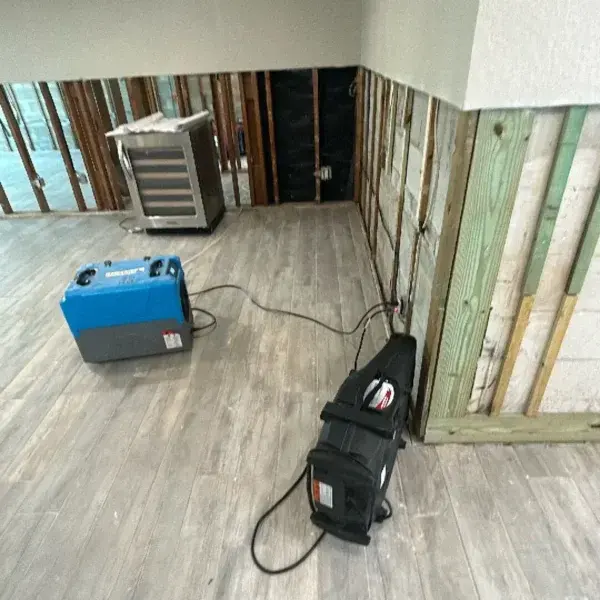
Once the water and wet materials are out, the house is dried with air movers and dehumidifiers. Concrete slabs and block walls hold water for a long time, so a floor that feels dry on top can still be wet underneath.
Moisture readings are taken on a schedule and the equipment stays until the readings reach the dry goal. The structural drying page for Plant City covers how the monitoring works.
- Air movers push moisture off surfaces.
- Dehumidifiers pull it out of the air so it does not settle back into walls.
- Readings are logged each visit, so there is a record for the insurer.
- Flooring and trim go back only when the structure is dry.
How July 14 compares with Milton and Donna
Hurricane Milton in October 2024 dropped about 21 percent of a year's rainfall on Plant City. Hurricane Donna in 1960 dropped five to 10 inches of rain, and nothing like Milton's water had hit the city since.
The July 14 storm was different from both. It was not a hurricane.
It was a summer thunderstorm that stayed in one place, which shows how a single afternoon can matter as much as a named storm for a homeowner.
Preparing for the wet season
June is the wettest month in Plant City at 9.71 inches, and the wet season runs from June through September. A little planning before then makes a difference.
The city reported cleaning 1,756 catch basins and inspecting 6,477 of them in 2025, which shows how much of the drainage system depends on keeping inlets clear. A homeowner can do the same on a small scale.
- Keep gutters, downspouts and yard drains clear of leaves and sand.
- Know where the main electrical panel is and how to shut off power to a flooded room.
- Keep photos of each room while it is dry.
- Store important papers and electronics above floor level.
- Check the policy wording, since flood damage is often covered differently than water from a pipe. The Plant City service area page lists related services.
Questions
How much rain fell in Plant City on July 14, 2025?
The city weather station recorded 10.39 inches during a storm that stalled over the city from 4:00 p.m. to 8:00 p.m.
Why does sandy soil still flood?
Sand drains well when it is dry, but Plant City's Southern Flatwoods soil is also poorly drained. When the ground is already wet and rain keeps falling, water collects at the surface.
Can drywall that got wet from street water be saved?
Usually not. Because outside water is treated as contaminated, wet drywall is typically cut out above the wet edge and replaced.
How is a slab dried after a flood?
With air movers and dehumidifiers, plus moisture readings on each visit. Drying continues until the slab, block and framing read dry.
What should a resident do while arranging cleanup?
Turn off power to wet rooms if it is safe, take photos of the water and damage, lift small items out of the water and keep children and pets out of affected areas. Avoid wading through standing water that may be contaminated.
Does homeowners insurance cover storm flooding?
It depends on the policy and how the water entered. Check the wording or ask the insurer, because flood damage is often handled separately from a pipe leak.