Flood Water Cleanup in Lakeland, FL
Lake overflow and storm flooding leave Lakeland houses with contaminated water, so cleanup means extraction, removal of wet flooring, flood cuts and thorough drying until the readings say the structure is done.
(888) 621-2041Tell a crew how high the water got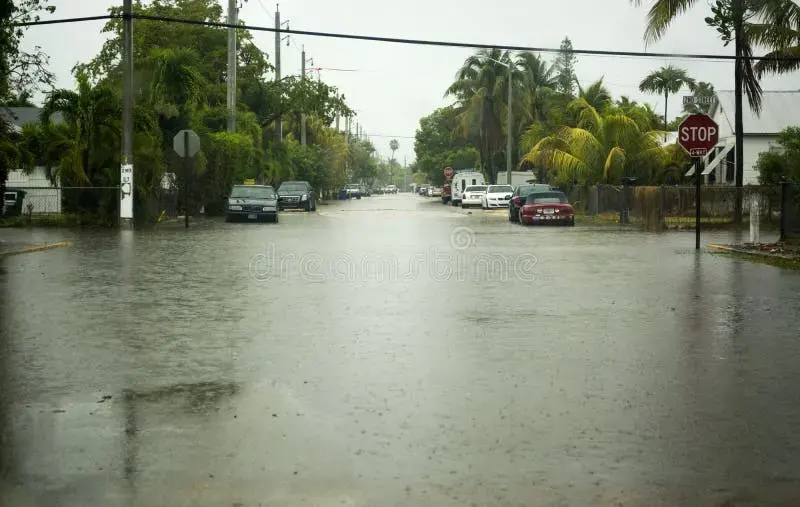
Flood Water Cleanup at a glance
First steps for flood water cleanup in Lakeland
- 1
Avoid the water
Sewage and chemicals can ride in floodwater, so do not wade.
- 2
Kill the power
Get electricity to flooded areas shut off before anyone enters.
- 3
Record the depth
Photograph how deep the water got and every room it reached.
- 4
Request cleanup
Say where the water came from and whether it is still rising.
How flood water cleanup works in Lakeland
Flood water in Lakeland usually arrives from lakes, storm drains and streets, not a clean supply pipe. That makes it contaminated from the start, and the cleanup starts with removal and water extraction, not just drying.
What does flood water cleanup cost in Lakeland, FL?
Flood cleanup in Lakeland generally costs $5,000 to $30,000, since contaminated water demands more removal and longer drying. Water depth, rooms affected and time under water set the final number.
A few inches, one area
$5,000 to $10,000- Water extraction
- Flood cuts
- Antimicrobial
Several rooms
$10,000 to $20,000- Wet flooring and pad out
- Cabinet bottoms
- LGR and desiccant drying
Whole-house flood
$20,000 to $30,000- Full removal to the wet edge
- Containment
- Claim documentation
Ranges are typical, not a quote: category of water, square footage, material class and how fast drying started move the number most. Run the water damage cost calculator for a closer range.
The flood water cleanup process, stop by stop
The tech who does the walkthrough maps moisture before any equipment goes down, so the drying plan matches what is actually wet. Equipment stays until the readings say dry, not until the room looks dry.
- 1
Secure the site
Power and hazards come first.
- 2
Strip and sanitize
Soaked materials leave, surfaces are treated.
- 3
Run the dryers
LGR and desiccant units stay on.
- 4
Match the reference
Each material reads dry.
What comes out first
- Carpet and pad that floodwater soaked
- Flooring that cannot be cleaned and dried in place
- Lower drywall cut above the wet edge
- Cabinet bottoms and insulation that held water
Cleaning before drying
Once the wet materials are out, hard surfaces and framing are cleaned with an EPA-registered antimicrobial. Containment keeps the cleanup from spreading, and air scrubbers help in rooms where dust and odor travel. Only then do LGR and desiccant units start the structural drying. Flood cuts are marked above the wet edge so healthy drywall stays.
Lake Bonny lessons
After Hurricane Milton, homes on Lake Bonny and Little Lake Bonny stayed flooded for weeks, and pumping was limited by the water management district. Long contact with water soaks slabs and framing, so drying runs longer and readings matter more.
Documenting the flood
Flood claims need a clear record of how high the water rose, the rooms affected and every material removed. Photos before demolition and moisture logs afterward are the core of the file.
Flood water cleanup across Lakeland and nearby towns
Flood cleanup covers Lakeland, including ZIP 33801, 33805 and 33812, East Lake Morton, Lake Horney, Crystal Lake and the neighborhoods that border the city's lakes, wherever water has risen.
The same service nearby: flood water cleanup in Zephyrhills, Plant City, Dade City.
Related water damage services in Lakeland
Flood Water Cleanup questions in Lakeland, FL
Is floodwater treated differently from a leak?
Yes. Lake and street floodwater is contaminated, so porous materials come out, surfaces get antimicrobial cleaning and drying follows.
Why did Lake Bonny flooding last so long?
After Milton, pumping was limited by the water management district, so homes stayed flooded for weeks. Long exposure usually means deeper drying.
Can flooded drywall be saved?
Drywall touched by contaminated water is cut out above the wet edge. Drywall above that edge can stay if readings show it is dry.
Does a flood affect the slab?
Concrete can stay saturated long after the surface looks dry, so slabs need extended drying and an inspection if cracks appear.
Does flood insurance cover cleanup?
Standard homeowner policies often exclude flood, and some Lake Bonny residents learned they carried no flood coverage. Check your own insurer and keep photos and logs.
How long does flood drying take?
Flooded structures usually need longer drying than a pipe leak, with desiccant units helping on slabs and dense materials. Readings, not the calendar, decide when equipment leaves.
Still dealing with flood water cleanup?
Shut off the water at the source if it is safe, keep clear of wet outlets, then call.
Clean and dry the flooded Lakeland house
Share how deep the water got, where it came from and which rooms are wet, and the crew lays out removal, cleaning and drying in a written scope.
(888) 621-2041Ask about flood removal- 24/7 dispatch, hurricane season and summer storms included
- Structural drying held to the IICRC S500 standard
- Daily moisture readings logged for the claim file
- Find us on Google