Sewage and Septic Backup Cleanup in Lakeland, FL
Sewage in a Lakeland home is contaminated water, so crews seal off the area, wear protective gear, remove what it touched and clean and dry the structure before anyone returns to the room.
(888) 621-2041Report the sewage backup now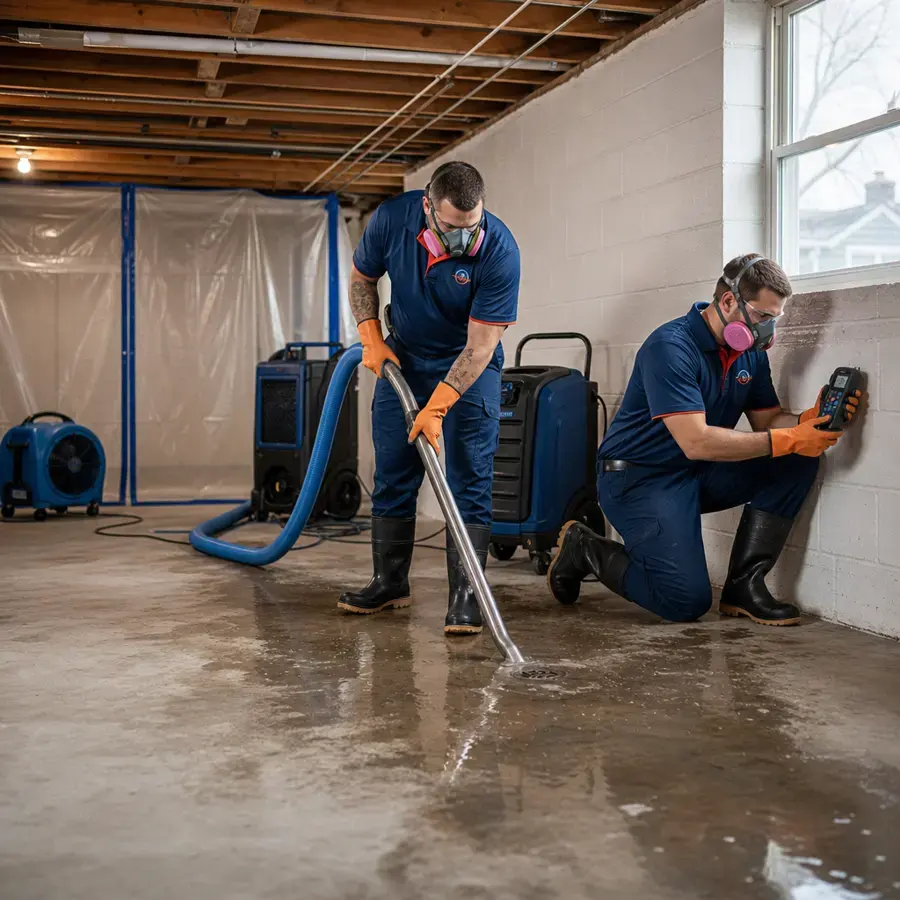
Sewage and Septic Backup Cleanup at a glance
First steps for sewage and septic backup cleanup in Lakeland
- 1
Keep clear
Keep kids and pets away from the contaminated water.
- 2
Pause the drains
Stop flushing and running water until the backup is cleared.
- 3
Skip home cleanup
Mops and shop vacuums only spread bacteria.
- 4
Request cleanup
Say where the backup surfaced.
How sewage and septic backup cleanup works in Lakeland
Lakeland Water Utilities manages wastewater for the area, but once a backup reaches the floor inside a house, it is a contamination cleanup. Sewage carries bacteria, so the room is treated as contaminated until it has been removed, cleaned and dried.
What does sewage and septic backup cleanup cost in Lakeland, FL?
Sewage backup cleanup in Lakeland generally costs $2,500 to $18,000, depending on how many rooms were touched and how long the contamination sat. Removal, cleaning and drying are scoped together after an inspection.
Bathroom or small area
$2,500 to $6,000- Containment setup
- Removal and cleaning
- Antimicrobial wash
Several rooms on the slab
$6,000 to $12,000- Floor and drywall removal
- HEPA air scrubbers
- Drying
Large or repeated backup
$12,000 to $18,000- Most of the house
- Extended containment
- Claim documentation
Ranges are typical, not a quote: category of water, square footage, material class and how fast drying started move the number most. Run the water damage cost calculator for a closer range.
The sewage and septic backup cleanup process, stop by stop
The tech who does the walkthrough maps moisture before any equipment goes down, so the drying plan matches what is actually wet. Equipment stays until the readings say dry, not until the room looks dry.
- 1
Seal off the space
Barriers and negative air go up first.
- 2
Remove soaked items
Porous materials touched by sewage are bagged.
- 3
Clean and disinfect
Hard surfaces and framing get antimicrobial.
- 4
Dry and confirm
Readings prove the structure is dry.
What gets removed
- Carpet, pad and any porous flooring that soaked
- Drywall and baseboards touched by sewage
- Insulation, cabinet toe kicks and trim
- Soft furnishings that cannot be cleaned
Containment and cleaning
Plastic barriers and negative air keep the contamination from spreading to clean rooms. Photos of the affected area are taken before removal. Crews wear gloves, boots and respirators, bag the removed materials and clean hard surfaces and framing with an EPA-registered antimicrobial before HEPA air scrubbers run to clear the air. Only after cleaning does structural drying begin.
Septic and sewer differences
Septic and municipal backups both count as black water. The cleanup is the same, but the cause is different, so a plumber or septic professional must fix the source before the room is dried and put back together. Skipping that step means the backup returns.
Flooding and backups
Storms like Hurricane Milton strain stormwater and drainage across Lakeland, and floodwater can push into drains. When lake or street water mixes in, the job follows flood water cleanup rules too.
Sewage and septic backup cleanup across Lakeland and nearby towns
Sewage cleanup crews work across Lakeland, including ZIP 33805, 33811 and 33815, Moorehead, Lake Horney and Downtown Lakeland, and treat every backup as contaminated until readings and cleaning say otherwise.
The same service nearby: sewage and septic backup cleanup in Zephyrhills, Plant City, Dade City.
Related water damage services in Lakeland
Sewage and Septic Backup Cleanup questions in Lakeland, FL
Is a sewage backup an emergency?
Yes. Sewage carries bacteria and can spread through the floor quickly, so people and pets should stay out until protective cleanup begins.
Can sewage-soaked carpet be saved?
Generally no. Porous materials such as carpet and pad absorb contamination and are removed, while hard surfaces can usually be cleaned and disinfected.
Does a septic backup differ from a city sewer backup?
The cleanup is the same because both are contaminated. The repair is different, since a septic professional or plumber must fix the source.
Why are air scrubbers used?
HEPA air scrubbers capture airborne particles while materials are removed, which protects other rooms and helps clear the air.
Does insurance cover sewage backups?
Backup coverage is often a separate endorsement, so policies differ. Check your own insurer before assuming it is included, and keep photos and records.
How long does sewage cleanup and drying take?
A small area may take a day or two to clean, and larger backups need several days of cleaning and drying. Readings decide when the structure is finished.
Still dealing with sewage and septic backup cleanup?
Shut off the water at the source if it is safe, keep clear of wet outlets, then call.
Clean and dry the affected rooms
Note where the sewage surfaced, which rooms it reached and whether it is still flowing, and the crew sets up containment, removal, cleaning and drying with insurer records.
(888) 621-2041Ask about contained cleanup- 24/7 dispatch, hurricane season and summer storms included
- Structural drying held to the IICRC S500 standard
- Daily moisture readings logged for the claim file
- Find us on Google