Hurricane and Storm Water Damage in Lakeland, FL
Hurricane Milton dropped over 12 inches of rain on Lakeland in 24 hours, and storms like it send water through roofs, windows and ceilings that crews dry, document and measure to a dry goal.
(888) 621-2041Describe the storm damage to a crew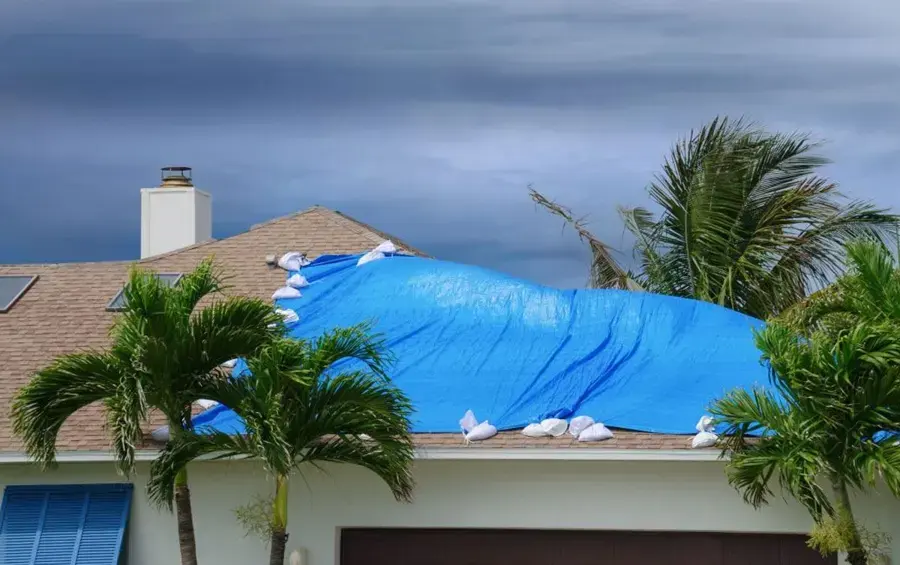
Hurricane and Storm Water Damage at a glance
First steps for hurricane and storm water damage in Lakeland
- 1
Cover the opening
Have the roof opening tarped by a roofer so more rain stays out.
- 2
Protect belongings
Move furniture and electronics away from dripping ceilings and wet floors.
- 3
Photograph the damage
Capture each wet ceiling, wall and floor before anything is removed.
- 4
Call for drying
Report where the water entered and how long things have been wet.
How hurricane and storm water damage works in Lakeland
Milton damaged about 900 Lakeland buildings, according to The Ledger, and the water did not stop at the roof. Rain that gets into an attic soaks insulation, stains ceilings and drips into walls and floors below. Photos and moisture logs from each visit go into the claim file.
What does hurricane and storm water damage cost in Lakeland, FL?
Storm losses in Lakeland usually fall between about $2,500 and $25,000, depending on how many rooms and how much of the attic is wet. A written scope after moisture mapping gives the firm number.
One leak point, a room or two
$2,500 to $6,000- Extraction
- Ceiling and wall drying
- Moisture logs
Several rooms and the attic
$6,000 to $15,000- Wet insulation removed
- Ceiling drywall opened
- LGR dehumidifiers
Whole-house storm loss
$15,000 to $25,000- Multiple rooms and levels
- Flooring removal
- Claim documentation
Ranges are typical, not a quote: category of water, square footage, material class and how fast drying started move the number most. Run the water damage cost calculator for a closer range.
The hurricane and storm water damage process, stop by stop
The tech who does the walkthrough maps moisture before any equipment goes down, so the drying plan matches what is actually wet. Equipment stays until the readings say dry, not until the room looks dry.
- 1
Find the entry
Moisture meters trace the opening.
- 2
Remove wet layers
Saturated insulation and drywall come out.
- 3
Dry the structure
LGR units run on framing and floors.
- 4
Log and document
Readings and photos support the claim.
Where storm water travels
- Attic insulation that holds water against the ceiling
- Ceiling drywall that sags, stains or lets go
- Wall cavities below openings and window frames
- Flooring and baseboards where the water finally lands
Drying a storm loss
Storm water damage is dried from the top down. Wet attic insulation and ceiling drywall come out where saturated, then air movers and LGR dehumidifiers dry the framing, walls and floors while moisture logs record each visit for the claim file. A roof leak repair is a separate trade, so the drying plan assumes the opening is tarped or fixed first.
Lake-fed flooding is different
Floodwater from Lake Bonny or Little Lake Bonny is not the same as roof rain. It counts as contaminated water, so flood water cleanup rules apply and porous materials usually come out. Wet carpet and pad from lake water are removed rather than cleaned.
Repeat storm seasons
Storm seasons bring repeated rain, so crews check the attic, ceilings and exterior walls together so a second leak is not missed while the first is dried.
Hurricane and storm water damage across Lakeland and nearby towns
Storm drying covers Lakeland, including ZIP 33809, 33810 and 33811 areas, Lakeland Highlands, High Vista and homes around Lake Parker, Lake Gibson and Lake Bonny, wherever a storm opened the roof.
The same service nearby: hurricane and storm water damage in Zephyrhills, Plant City, Dade City.
Related water damage services in Lakeland
Hurricane and Storm Water Damage questions in Lakeland, FL
Does Milton-level rain cause hidden damage?
Yes. Heavy rain soaks attic insulation and wall cavities long before stains show, so moisture mapping is used to find wet areas behind intact surfaces.
Who tarps the roof after a storm?
A roofer handles the tarp and the repair. Drying crews focus on the water inside, and drying only works well once the opening is closed.
Should wet attic insulation be removed?
Saturated insulation holds water against the ceiling for a long time, so it is usually removed, while lightly damp batts may be dried in place after a reading.
Is storm water damage covered by insurance?
Coverage depends on the policy and on whether the water came from wind-driven rain, a roof opening or rising flood water. Check your own insurer and keep photos and moisture logs.
How long does storm drying take?
Most storm jobs need several days of equipment, longer for wet attics, walls and concrete. Readings decide the end date, not a set schedule.
What if the water came from a lake?
Lake and street water is treated as contaminated. Crews contain the area, remove porous materials and clean with antimicrobial before drying begins.
Still dealing with hurricane and storm water damage?
Shut off the water at the source if it is safe, keep clear of wet outlets, then call.
Get the storm water dried and documented
Tell the crew where the storm let water in and how many rooms are wet, and the plan covers extraction, ceiling drying and the moisture logs your claim needs.
(888) 621-2041Report the storm loss- 24/7 dispatch, hurricane season and summer storms included
- Structural drying held to the IICRC S500 standard
- Daily moisture readings logged for the claim file
- Find us on Google