Hurricane and Storm Water Damage in Plant City, FL
Hurricane Milton and the stalled storm of July 14, 2025 showed how fast Plant City drainage can be overwhelmed, and storm crews dry the water that gets in through roofs, walls and floors alike, room by room.
(888) 621-2041Reach a Plant City storm crew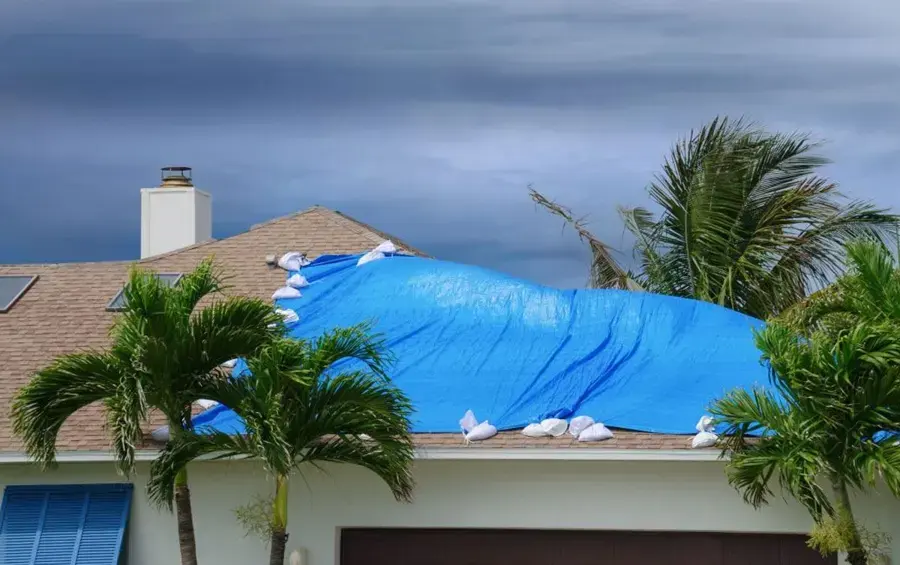
Hurricane and Storm Water Damage at a glance
First steps for hurricane and storm water damage in Plant City
- 1
Avoid the floodwater
Street and creek water can be contaminated, so keep out of it.
- 2
Cover and catch
Tarp openings if safe and set buckets under drips.
- 3
Photograph the damage
Record roof, ceiling, floors and belongings before cleanup starts.
- 4
Call for storm drying
Wet insulation and ceilings should be opened soon.
How hurricane and storm water damage works in Plant City
Hurricane Milton in October 2024 dropped about 21 percent of a year's rainfall on Plant City, and nothing like its water had hit the city since Hurricane Donna in 1960. Storm losses here usually mean water in several places at once. A roof can leak while yards flood, so each entry point is traced.
What does hurricane and storm water damage cost in Plant City, FL?
Storm losses in Plant City commonly start near $2,500 and can reach $25,000, depending on how many rooms are wet, whether the attic and ceilings are involved and how much flooring has to come out. The claim and the water source also matter.
One leak point, a room or two
$2,500 to $6,000- Extraction
- Ceiling and wall drying
- Moisture logs
Several rooms and the attic
$6,000 to $15,000- Wet insulation removed
- Ceiling drywall opened
- LGR dehumidifiers
Whole-house storm loss
$15,000 to $25,000- Multiple rooms and levels
- Flooring removal
- Claim documentation
Ranges are typical, not a quote: category of water, square footage, material class and how fast drying started move the number most. Run the water damage cost calculator for a closer range.
The hurricane and storm water damage process, stop by stop
The tech who does the walkthrough maps moisture before any equipment goes down, so the drying plan matches what is actually wet. Equipment stays until the readings say dry, not until the room looks dry.
- 1
Secure the structure
Entry points are found and covered.
- 2
Dry the cavities
Wet insulation and ceilings come out.
- 3
Run the equipment
Dehumidifiers and air movers dry the rest.
- 4
Log the readings
Photos and logs go in the claim file.
Where storm water gets in
- Roof leaks that soak attic insulation and drip through ceilings below
- Wind-driven rain pushed around windows, doors and wall openings
- Floodwater crossing thresholds and soaking flooring and cabinet bottoms
- Failed drainage that lets yard water settle against slab edges
Why Plant City storms hit hard
The storm of July 14, 2025 stalled over the city and the weather station recorded 10.39 inches, which brought a flash flood warning. Roseland Park residents described flooding worse than anything they had seen, and sandy, poorly drained ground leaves runoff little room to go.
From open walls to a dry house
Wet insulation and ceiling drywall come out first, since they hold water against framing. Then air movers and LGR dehumidifiers run on a closed structure while readings are logged. The photos and logs also feed the claim, and the town page lists what an adjuster looks for. Storm cleanup often continues after the rain, because attic and wall cavities dry slowly. The roof leak page covers the attic side.
Hurricane and storm water damage across Plant City and nearby towns
Storm crews work across Plant City, ZIP 33563, 33565, 33566 and 33567, from Walden Lake and Park East to the Howell Branch Creek area and neighborhoods off Interstate 4.
The same service nearby: hurricane and storm water damage in Zephyrhills, Lakeland, Temple Terrace.
Related water damage services in Plant City
Hurricane and Storm Water Damage questions in Plant City, FL
Does homeowners insurance cover storm water damage?
Wind-driven rain through a damaged roof is often covered, while rising floodwater usually needs separate flood coverage. Policies differ, so check your own insurer before assuming.
How soon after a storm should drying start?
As soon as it is safe to enter. Attic insulation and ceiling drywall hold water against framing, and humid Plant City air keeps everything wet longer than people expect.
What if the water came from a flooded street?
That is treated as contaminated floodwater. Soaked flooring, pad and the lower drywall usually come out, and the area is cleaned before drying begins.
Can a leaking roof be repaired before drying?
A temporary cover helps stop new water, and a roofer handles the repair itself. Drying the attic and ceilings below should not wait for the final roof work.
How long does storm drying take?
Often several days, though it depends on the materials and the humidity. Attics, wall cavities and wet slabs dry slowest, and equipment stays until readings reach the dry goal.
What records help the storm claim?
Dated photos taken before removal, a record of what was cut out, daily moisture readings and equipment dates. The crew keeps these together for the adjuster.
Still dealing with hurricane and storm water damage?
Shut off the water at the source if it is safe, keep clear of wet outlets, then call.
Get Plant City storm water out and drying
A crew traces where the storm water got in, removes wet materials and dries the structure with documented readings.
(888) 621-2041Call about storm damage here- 24/7 dispatch, hurricane season and summer storms included
- Structural drying held to the IICRC S500 standard
- Daily moisture readings logged for the claim file
- Find us on Google